
Mercedes Sedan Long-Term Reliability: Proven Guide
Worried about how your Mercedes sedan will hold up over the years? Mercedes-Benz is known for luxury and performance, but what about reliability? This guide gives you the facts. We cover common issues, maintenance tips, and the models known for their long-term dependability. Drive confidently, knowing your Mercedes can go the distance.
Mercedes-Benz sedans offer a blend of luxury, performance, and advanced technology. However, like any vehicle, understanding their long-term reliability is crucial for owners and potential buyers. Many factors influence a car’s lifespan, from its build quality and maintenance schedule to driving habits and environmental conditions. This article will break down what you need to know to keep your Mercedes sedan running smoothly for years to come.
We’ll cover the models known for their dependability, common issues to watch out for, and essential maintenance tips to maximize your vehicle’s lifespan. Whether you’re considering buying a new or used Mercedes sedan, or you’re a current owner looking to extend its life, this guide will provide valuable insights.
FAQ: Mercedes Sedan Reliability
Here are some frequently asked questions about the long-term reliability of Mercedes-Benz sedans:
- Are Mercedes-Benz sedans reliable?
Mercedes-Benz sedans can be reliable with proper maintenance. Some models are known for better reliability than others. Regular servicing and addressing issues promptly are key. - Which Mercedes sedan models are the most reliable?
Generally, the C-Class and E-Class are often cited as more reliable than some of the higher-end models like the S-Class, due to their simpler systems and fewer complex features. - What are common problems in older Mercedes sedans?
Common issues include electrical problems, rust, oil leaks, and issues with the air suspension (if equipped). Regular inspections can help catch these early. - How often should I service my Mercedes sedan?
Mercedes-Benz recommends servicing every 10,000 miles or once a year, whichever comes first. Following this schedule helps maintain reliability. - Can regular maintenance improve the lifespan of my Mercedes sedan?
Yes, absolutely. Regular oil changes, fluid checks, brake inspections, and addressing minor issues promptly can significantly extend the lifespan of your Mercedes. - Are Mercedes parts expensive?
Mercedes-Benz parts can be more expensive than those for domestic or Asian brands. However, using quality parts is essential for maintaining reliability. - Is it expensive to maintain a Mercedes sedan?
Maintenance costs can be higher compared to non-luxury brands. Budgeting for regular servicing and potential repairs is important for long-term ownership.
Understanding Mercedes-Benz Reliability

Mercedes-Benz has a long-standing reputation for producing luxury vehicles. However, reliability is a complex issue. It’s influenced by factors such as model year, specific model, maintenance history, and driving conditions. Understanding these factors will help you make informed decisions about purchasing and maintaining your Mercedes sedan.
Reliability ratings from organizations like J.D. Power and Consumer Reports can provide a general overview, but it’s essential to delve deeper into specific models and years. These ratings often reflect owner feedback on issues experienced during ownership. Remember that luxury vehicles often have more complex systems, which can lead to a higher potential for problems.
Key Factors Affecting Reliability
- Model Year: Newer models may incorporate design improvements and updated technology.
- Specific Model: Some models are inherently more reliable due to simpler designs or better build quality.
- Maintenance History: A well-maintained vehicle is likely to be more reliable.
- Driving Conditions: Harsh conditions can accelerate wear and tear.
Most Reliable Mercedes-Benz Sedan Models

While all Mercedes-Benz sedans offer luxury and performance, some models consistently rank higher in terms of reliability. Here are a few models that owners and experts often cite as being more dependable:
- C-Class: The C-Class is often praised for its balance of luxury and reliability. It’s smaller and less complex than the flagship S-Class, which can contribute to its better track record.
- E-Class: The E-Class is known for its robust engineering and comfortable ride. It strikes a good balance between luxury features and dependable performance.
- Older Models (W124, W210): Some older Mercedes models, particularly those from the 1980s and 1990s, are known for their durability and longevity. These models often have simpler designs and fewer electronic components compared to modern vehicles.
Reliability Comparison Table
Here’s a simplified comparison of the reliability of different Mercedes-Benz sedan models:
| Model | Typical Strengths | Potential Weaknesses | Overall Reliability |
|---|---|---|---|
| C-Class | Balanced, good size, fewer complex systems | Can have electrical issues, some rust | Generally good |
| E-Class | Robust engineering, comfortable, good balance | Potential for electronic issues, some rust | Good |
| S-Class | Luxurious, advanced technology | Complex systems, higher maintenance costs | Average to below average |
| CLA/A-Class | Fuel-efficient, modern tech | Smaller size, some reported build quality issues | Average |
Common Issues and How to Address Them

Even the most reliable Mercedes-Benz sedans can experience problems over time. Knowing the common issues and how to address them can help you keep your vehicle in top condition.
- Electrical Problems: Mercedes-Benz vehicles are known for their complex electrical systems. Issues can range from faulty sensors to malfunctioning control units. Regular diagnostic scans can help identify problems early.
- Rust: Rust can be a concern, especially in older models or vehicles driven in areas with harsh winters. Regular washing, waxing, and rustproofing can help prevent rust.
- Oil Leaks: Oil leaks are common in many cars, including Mercedes-Benz. Regularly check for oil spots under your car and address leaks promptly to prevent engine damage.
- Air Suspension Issues: Some Mercedes-Benz models have air suspension systems that can develop leaks or compressor problems. Regular inspections and timely repairs are essential.
- Transmission Problems: Issues with the transmission can occur, especially in older models. Regular fluid changes and addressing any unusual shifting behavior can help prevent major problems.
DIY Checks and Preventative Measures
Performing regular checks and taking preventative measures can help you identify and address potential problems before they become major issues.
- Check Fluid Levels: Regularly check the oil, coolant, brake fluid, and power steering fluid levels.
- Inspect Hoses and Belts: Look for cracks, leaks, or wear on hoses and belts.
- Monitor Tire Pressure: Maintain proper tire pressure for optimal performance and safety.
- Listen for Unusual Noises: Pay attention to any unusual noises coming from the engine, transmission, or suspension.
Essential Maintenance Tips for Longevity
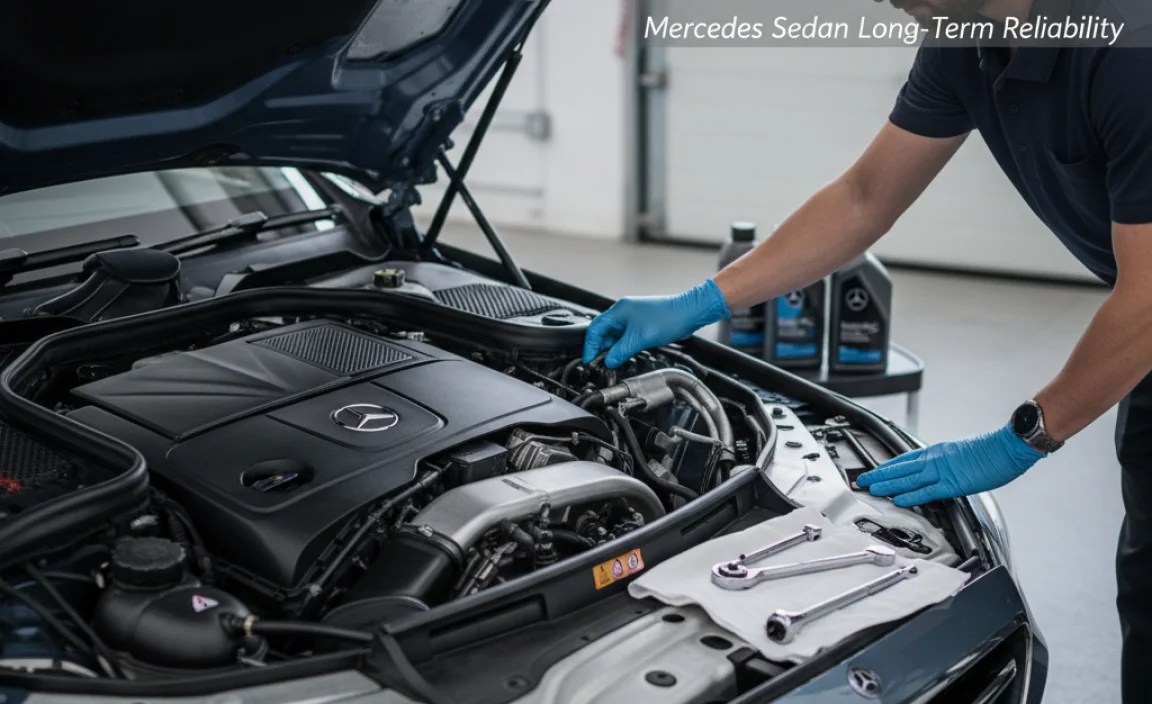
Proper maintenance is the key to maximizing the lifespan of your Mercedes-Benz sedan. Following the manufacturer’s recommended maintenance schedule and addressing issues promptly can significantly extend the life of your vehicle.
Following the Maintenance Schedule
Mercedes-Benz provides a detailed maintenance schedule that outlines the services required at specific intervals. Sticking to this schedule is crucial for maintaining your vehicle’s reliability.
- Oil Changes: Regular oil changes are essential for engine health. Follow the recommended oil change interval, typically every 10,000 miles or once a year.
- Fluid Checks and Replacements: Regularly check and replace fluids such as coolant, brake fluid, and transmission fluid.
- Brake Inspections: Inspect the brakes regularly and replace worn pads or rotors as needed.
- Tune-Ups: Perform regular tune-ups to ensure the engine is running efficiently.
Choosing the Right Parts and Fluids
Using high-quality parts and fluids is essential for maintaining the reliability of your Mercedes-Benz sedan. Genuine Mercedes-Benz parts are designed to meet the specific requirements of your vehicle and ensure optimal performance.
- Genuine Mercedes-Benz Parts: Using genuine parts can help ensure proper fit and function.
- High-Quality Fluids: Use fluids that meet Mercedes-Benz specifications.
- Trusted Brands: Research and choose reputable brands for aftermarket parts.
Finding a Reputable Mechanic
Finding a skilled and trustworthy mechanic is essential for maintaining your Mercedes-Benz sedan. Look for a mechanic who specializes in Mercedes-Benz vehicles and has experience working on your specific model.
- Specialized Expertise: Choose a mechanic with experience in Mercedes-Benz vehicles.
- Certifications: Look for certifications such as ASE (Automotive Service Excellence).
- Reviews and Referrals: Check online reviews and ask for referrals from other Mercedes-Benz owners.
Model-Specific Reliability Issues
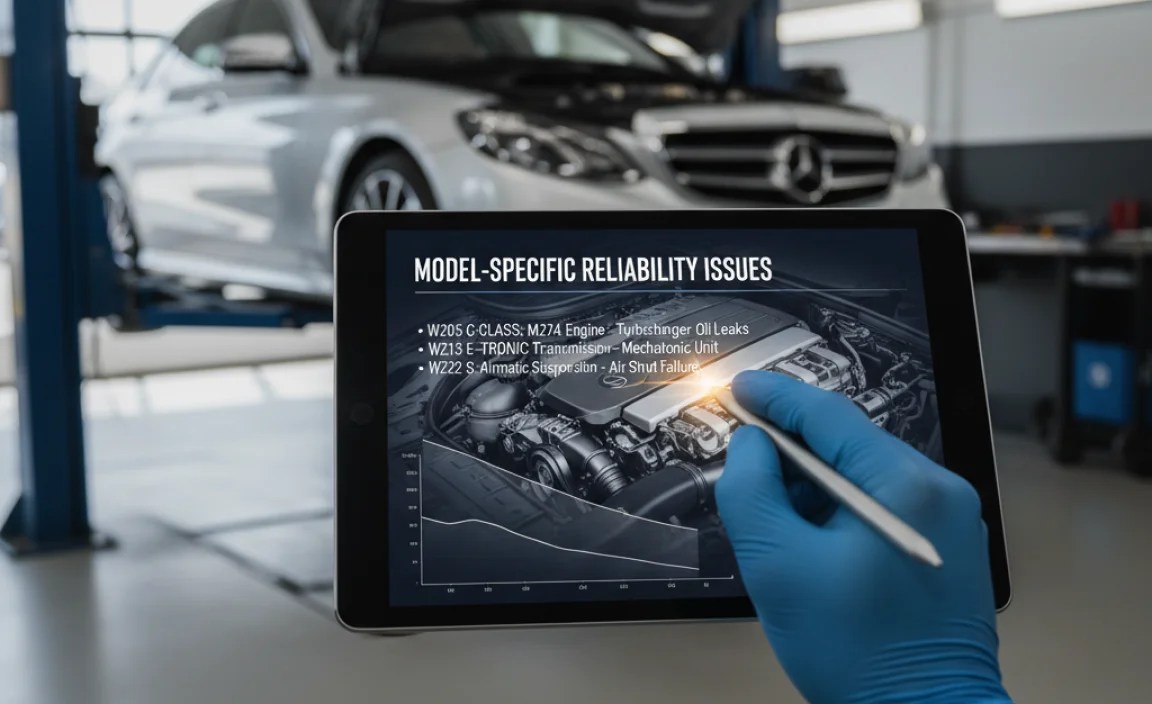
Different Mercedes-Benz sedan models have their own unique set of potential issues. Being aware of these can help you anticipate and address problems before they become major repairs.
C-Class (W204, W205)
- Electrical Issues: Some C-Class models have been known to experience electrical problems, such as issues with the infotainment system or sensors.
- Rust: Rust can be a concern, especially in older models.
- Oil Leaks: Check for oil leaks around the engine and transmission.
E-Class (W212, W213)
- Air Suspension: Models with air suspension can experience leaks or compressor problems.
- Electronic Issues: Some electronic components can fail over time.
- Engine Mounts: Check the engine mounts for wear and tear.
S-Class (W221, W222)
- Complex Systems: The S-Class has many advanced systems that can be prone to failure.
- Air Suspension: Air suspension issues are common.
- High Maintenance Costs: Maintenance and repairs can be expensive.
Extending the Life of Your Mercedes Sedan
Beyond regular maintenance, there are several steps you can take to extend the life of your Mercedes-Benz sedan. These include careful driving habits, proper storage, and addressing minor issues promptly.
Driving Habits
How you drive your car can significantly impact its lifespan. Avoid aggressive driving, such as hard acceleration and braking, which can put unnecessary stress on the engine, transmission, and brakes.
- Smooth Acceleration and Braking: Avoid sudden acceleration and hard braking.
- Proper Warm-Up: Allow the engine to warm up before driving at high speeds.
- Avoid Overloading: Don’t overload the vehicle beyond its weight capacity.
Storage
Proper storage can help protect your Mercedes-Benz sedan from the elements and prevent damage. If you plan to store your car for an extended period, take steps to prepare it for storage.
- Cover the Car: Use a car cover to protect the paint from sun and weather damage.
- Store in a Garage: If possible, store the car in a garage to protect it from the elements.
- Use a Battery Tender: Connect a battery tender to prevent the battery from draining.
Addressing Minor Issues Promptly
Addressing minor issues promptly can prevent them from turning into major problems. Don’t ignore warning lights or unusual noises. Have your car inspected by a mechanic as soon as possible.
- Don’t Ignore Warning Lights: Investigate any warning lights that come on.
- Address Unusual Noises: Have any unusual noises checked out by a mechanic.
- Regular Inspections: Schedule regular inspections to catch potential problems early.
Cost of Ownership and Maintenance
Understanding the total cost of ownership, including maintenance, repairs, and depreciation, is essential for long-term financial planning. Mercedes-Benz sedans can have higher ownership costs compared to non-luxury brands, but with proper care, you can minimize these costs.
Maintenance Costs
Maintenance costs for Mercedes-Benz sedans can be higher due to the use of specialized parts and the need for skilled technicians. Budget for regular servicing and potential repairs.
- Regular Servicing: Plan for regular oil changes, fluid checks, and brake inspections.
- Potential Repairs: Set aside funds for potential repairs, such as electrical issues or suspension problems.
- DIY Maintenance: Consider performing some maintenance tasks yourself to save money.
Depreciation
Depreciation is a significant factor in the cost of ownership. Mercedes-Benz sedans typically depreciate at a moderate rate, but some models hold their value better than others.
- Model and Year: Newer models and popular models tend to depreciate less.
- Condition: A well-maintained car will retain more value.
- Mileage: Lower mileage cars typically depreciate less.
Resale Value
Maintaining your Mercedes-Benz sedan in good condition can help maximize its resale value. Keep the car clean, address any mechanical issues, and maintain a detailed service history.
- Keep it Clean: Regularly wash and detail the car.
- Address Mechanical Issues: Repair any mechanical problems promptly.
- Maintain Service History: Keep detailed records of all maintenance and repairs.
Conclusion
Mercedes-Benz sedans can offer a rewarding ownership experience if you’re prepared to invest in their care. By understanding the factors that affect reliability, following a strict maintenance schedule, and addressing issues promptly, you can extend the life of your vehicle and enjoy its luxury and performance for years to come. Remember to research specific models and years, find a reputable mechanic, and take proactive steps to maintain your car’s condition. With the right approach, your Mercedes-Benz sedan can be a reliable and enjoyable companion on the road.
“`


